
BIOMARKERS EXPLAINED
Every cancer patient is different. This is because, at a genetic level, every tumour is unique and evolves differently over time. For these reasons, in order to ensure optimal treatment, one size does not fit all.
Precision medicine means matching each patient with the right treatment for them, and biomarkers are the only way to achieve this. Professor Caroline Dive, a world renowned expert on cancer biomarkers, leads the Biomarker discovery team here at the University. Her team has grown over the last 10 years to include over 60 scientists, based at the Cancer Research UK Manchester Institute. Here are her thoughts on biomarker research:
What is a Biomarker?
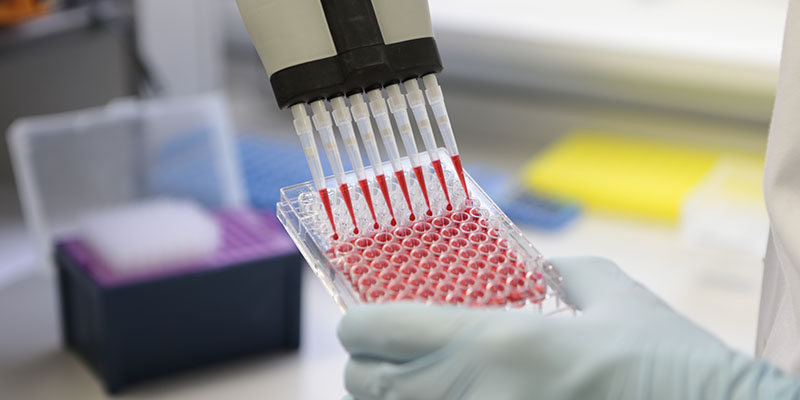
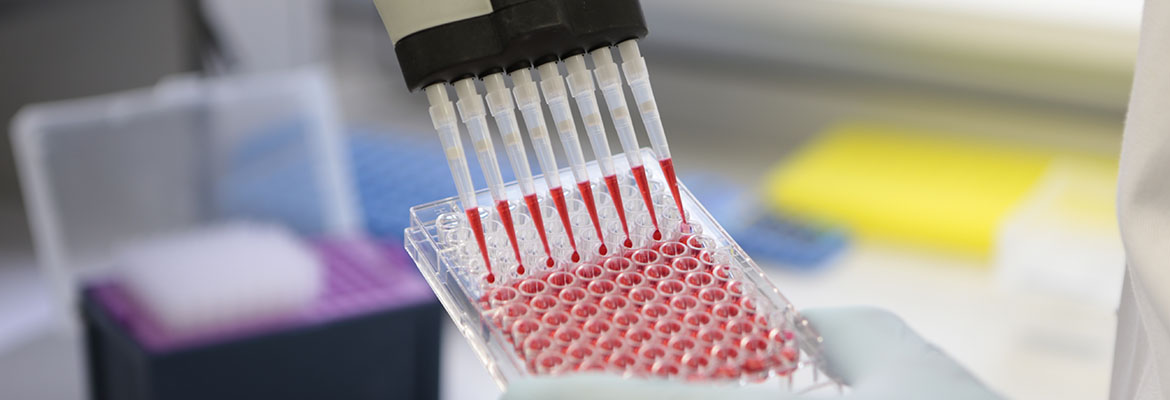
A biomarker is a substance that a doctor can search for and measure in a patient, usually through analysis of a blood sample. These biomarker blood tests - or liquid biopsies - detect and quantify cells and proteins which have been shed from the patient's tumour into the blood stream.
Why are they useful?
Biomarkers provide doctors with a much clearer picture of the characteristics of a tumour. Genetic analysis of the biomarkers gives us the ability to see beyond the tumour itself, to the individual traits of that individual cancer. In addition to guiding treatment options (see below) this hugely beneficial to the patient as it reduces the need for a tumour biopsy which is invariably an uncomfortable, invasive and dangerous option to face when a patient is at the weakest.
How will Biomarker tests change cancer treatments?
Biomarkers will revolutionise our ability to:
- Detect and diagnose cancers much earlier, greatly increasing the chances of successful treatment.
- Predict how a particular tumour will evolve and what the most effective treatment will be.
- Monitor how well a specific treatment is working and determine when to switch to a different treatment, if necessary.
- Match patients to the most effective treatments for their cancer, while sparing others from harsh and expensive treatments that won't work.
Crucially, too, biomarker testing in the blood is far less invasive and distressing for patients. One blood test, repeated over time, can provide doctors with information that might previously have necessitated multiple biopsies from the tumour itself, a procedure that is much more unpleasant and dangerous for the patient.

Through her creation of the Clinical and Experimental Pharmacology research group, Caroline has transformed the field of biomarker research and early clinical trials activity in treating cancer.
Caroline's laboratories can analyse blood samples within minutes of them being taken from the patients of the Christie Hospital. They are able to isolate a single cancer tumour cell within a blood sample which will contain billions of other cells. The genetic analysis of these cells is the key to understanding the individual characteristics of a patient's cancer, and therefore drive decisions to decipher the best possible treatments.